


Can You Report a Road Accident Online in South Africa? Here’s What You Need to Know
July 28, 2026
5 things your commercial insurance policy probably doesn’t cover
August 12, 2026
The Too Long Didn’t Read:
According to the National Financial Ombud Scheme (NFO), the leading cause of the homeowners’ insurance complaints referred to it is claims declined over gradual deterioration, lack of maintenance or wear and tear, rather than the storm itself. Even where a storm or flood genuinely triggers the damage, an insurer can still decline if poor upkeep was the underlying cause. Unlisted structures, missing compliance certificates and mismatched repair materials are common flashpoints too, and a maintenance paper trail is often the evidence a wear-and-tear dispute turns on. If a claim is declined, the NFO reviews disputes at no cost to the complainant.
A home insurance claim rejected after a storm is usually blamed on the weather. In practice, the storm is often not the actual reason. Data from the National Financial Ombud Scheme South Africa (NFO) shows the leading cause of homeowners’ insurance complaints reaching it is gradual deterioration, lack of maintenance or wear and tear, not the event that finally broke something. Along the Garden Route, where salt air, wet winters and ageing roofs are part of daily life, that distinction, what a storm caused versus what neglect had already started, can be what decides whether a claim gets paid.
The most common reason a home insurance claim is rejected
The NFO is the independent body that resolves disputes between policyholders and insurers, including declined claims, poor service and misleading policy communication, at no cost to the complainant. In its second year, 2025, it returned about R443 million to consumers, up from R328.5 million in its first year. Non-life insurance, the category homeowners’ cover sits under, accounted for R82.9 million of that. Across all divisions the scheme opened 50,065 cases and closed 34,277 during the year.
Within homeowners’ insurance, the NFO’s reporting points to one cause above the others: claims declined over gradual deterioration, lack of maintenance or wear and tear. Its first annual report, covering March to December 2024, recorded a 7% increase in wear-and-tear exclusions applied to homeowners’ claims compared with the previous year, and an 18% increase in household contents claims declined for poor upkeep. Acts of nature, meaning storm and weather damage, accounted for roughly 40% of the homeowners’ complaints in that period.
Insurers describe this as a general duty of care on the policyholder, and their reasoning is straightforward: paying claims caused by neglect as readily as claims caused by genuine accidents would push premiums up for everyone. The May 2026 storm, declared a national disaster on 10 May after damaging more than 21,000 dwellings and affecting over 83,000 people, is a reminder that a real weather event and a maintenance failure often arrive at the same address on the same night.
What the ombud sees over and over again
The case patterns the NFO deals with repeat rather than surprise. Water damage claims are commonly declined where a deteriorated roof and overflowing gutters, not the rainfall itself, let stormwater into the ceiling. Boundary walls that collapsed after standing in a poor state for years have been treated the same way in cases the ombud has dealt with, and burglary claims have been declined because an electric fence was not functioning or a gate lock was broken well before the break-in.
Storm and flood excess: what you may carry yourself
In higher risk or coastal areas, some insurers apply an additional or compulsory excess to flood-related claims, a fixed amount the policyholder carries before the insurer’s contribution begins. Whether this applies, and how much it is, varies by insurer and sits in the policy schedule rather than in a general rate.
A payout can also be reduced where the sum insured, the amount a property is insured for, has not kept pace with rebuilding costs. Most South African home policies contain an average clause, which cuts a payout in proportion to the shortfall, though how it applies depends on the policy wording [INTERNAL LINK: What Happens If You Are Underinsured]. An excess and an underinsured sum insured can both reduce the same payout, for different reasons.
Maintenance is not optional, but insurers weigh the whole picture
Home insurance is generally designed to respond to sudden and unforeseen damage rather than the ongoing cost of owning a house. Whether a specific event, such as a burst geyser, a fallen tree or a fire, is covered depends on the policy. Gradual deterioration from age or neglect is a common exclusion in South African home policies, though the exact wording differs by insurer.
Not every sign of wear results in a declined claim. The assessment typically weighs whether the damage would have occurred regardless of the property’s maintenance, alongside the severity of the loss itself, and how much weight an assessor gives to maintenance varies by insurer and by the facts of the loss. An overdue gutter clean next to catastrophic flood damage reads very differently to a roof that had been visibly failing for two winters before it gave way.
Structures your policy may not automatically cover

A standard buildings or contents policy does not automatically include everything on a property. Jetties on the Knysna lagoon, outbuildings, thatch roofing, boreholes and solar installations often need to be specifically listed on the schedule, or insured separately, rather than assumed part of the main structure. This detail typically surfaces at renewal or after an upgrade, since an undeclared specialised structure may not be covered, which is why it is worth confirming what actually appears on the schedule.
Compliance certificates insurers may ask to see
Electrical, plumbing, gas and electric fence installations each carry their own certificate of compliance, and insurers can request them when assessing a claim, particularly one involving fire or an electrical fault.
The electrical certificate is the most clearly regulated of the four, and also the most widely misunderstood. A certificate issued under the Electrical Installation Regulations, to the SANS 10142 wiring standard, generally remains valid for the life of the installation. It does not lapse on a two year clock, contrary to a common belief. Two things change that position. Where an installation is altered or added to, the new work needs its own supplementary certificate. And on a sale or transfer, Regulation 7(5) requires a certificate no older than two years, so a change of ownership cannot proceed on an older one.
For claims purposes the practical point is narrower: insurers can ask to see the certificate, so it belongs with the policy documents rather than in a drawer. A missing certificate does not automatically sink a claim, but it is one of the documents an insurer may ask for.

Repairs and matching materials after a claim
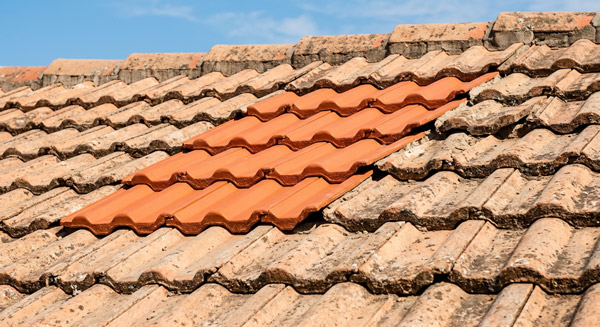
When a claim is approved, insurers generally match repair materials as closely as circumstances allow, but are not obliged to replace undamaged sections of a roof, wall or floor purely for a uniform appearance, and cannot match materials that have been discontinued, a particular tile colour being the standard example. Two options typically follow: a homeowner can pay the difference to replace undamaged, matching areas alongside the damaged section for a uniform look, subject to the insurer’s approval, or accept a cash settlement calculated on what it would have cost to repair only the portion actually damaged.
Why a maintenance record helps when a claim is assessed
A basic seasonal routine, with the run-up to the wet season along this coastline as the useful trigger, covers most of what an insurer later asks about: roof condition, gutters and downpipes clear of leaves, cracks and rising damp on external walls, window and door seals, electrical wiring, and overhanging tree branches.
Addressing a small problem before it grows, and keeping a record of having done so, a photo, an invoice, a service report, gives a homeowner evidence to put forward if maintenance is later questioned. It does not decide the outcome, but a wear-and-tear rejection is really a dispute about what state the property was in before the damage happened, and that is what the record speaks to.
This matters even more for a property that stands empty for weeks at a time, common along this stretch of coast. Since nobody is there to notice a small leak before it becomes a large one.
Garden Route Insurance Brokers
We see both sides of this from the Garden Route side of the desk: the storm damage, and the maintenance history that so often shapes what happens next. GRIB does an in-person needs analysis at your doorstep, whether that’s a home in George, a cottage in Sedgefield or a property in Plettenberg Bay, so a policy reflects the structures, the age of the roof and how the place is actually kept up. Reach out to talk it through with someone who knows the area.
Frequently Asked Questions
What is the most common reason home insurance claims get rejected in South Africa?
The NFO reports that the leading cause of the homeowners’ insurance complaints referred to it is claims declined over gradual deterioration, lack of maintenance or wear and tear, rather than the storm or event itself. That reflects complaints escalated to the ombud, not every declined claim in the country.
Does storm damage automatically mean my home insurance claim will be paid?
Not automatically. Insurers assess whether the storm caused the damage or an existing issue, like a deteriorated roof or blocked gutters, let the water in. Acts of nature complaints made up roughly 40% of the homeowners’ complaints in the NFO’s first reporting period.
What is a general duty of care clause?
It is a condition found in most South African home insurance policies, placing responsibility on the homeowner to keep the property in a reasonable state of repair. The exact wording differs by insurer and appears in the policy document. Insurers generally explain it on the basis that paying claims caused by neglect as readily as genuine accidents would push premiums up for everyone.
Do I need an electrical certificate of compliance to claim on home insurance?
Insurers may ask for a valid certificate when assessing a fire or electrical claim, and requirements differ between insurers. A certificate issued to the SANS 10142 standard generally remains valid for the life of the installation rather than expiring after two years. The two year limit in Regulation 7(5) applies to a sale or transfer of the property, and altered or added electrical work needs its own supplementary certificate.
Sources
- National Financial Ombud Scheme South Africa (NFO)
- Daily Maverick: Financial ombud claws back R443m for consumers, but the cases carry warnings
- Moonstone: Neglecting maintenance, your insurance claim could be denied
- ECASA: How long is an electrical certificate of compliance valid for?
- The Citizen: Storms and insurance claims
- GroundUp: What the May 2026 Western Cape storm says about climate change
Garden Route Insurance Brokers is an authorised Financial Services Provider (FSP 15438). This article is for informational purposes only and does not constitute financial advice.
